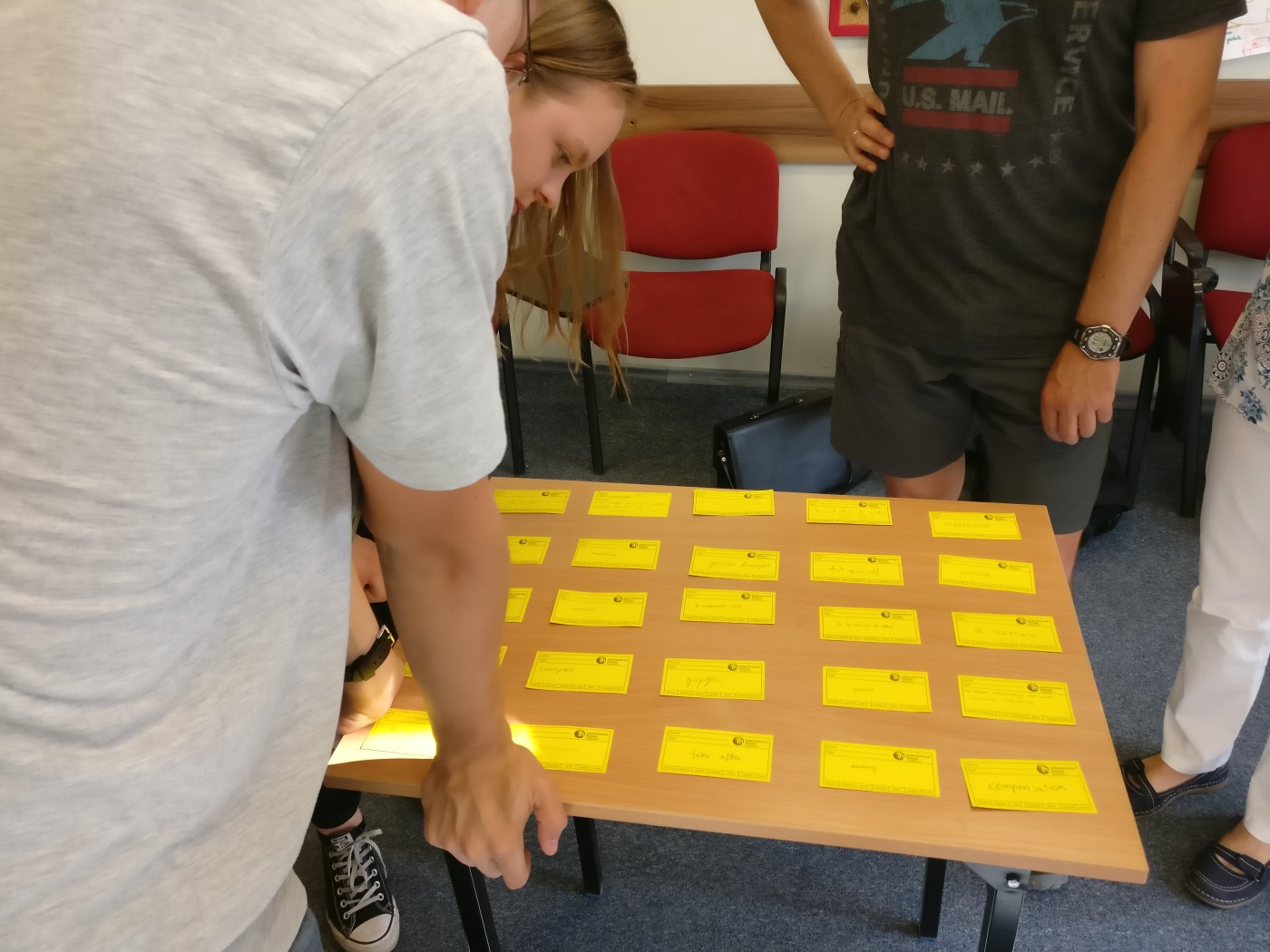
This guest post was written by Luke Raymond. You can read below about how he has adapted the game 'Codenames' into a vocabulary practice and revision game. He has only used it with upper intermediate adults and teens so far,... Continue Reading →
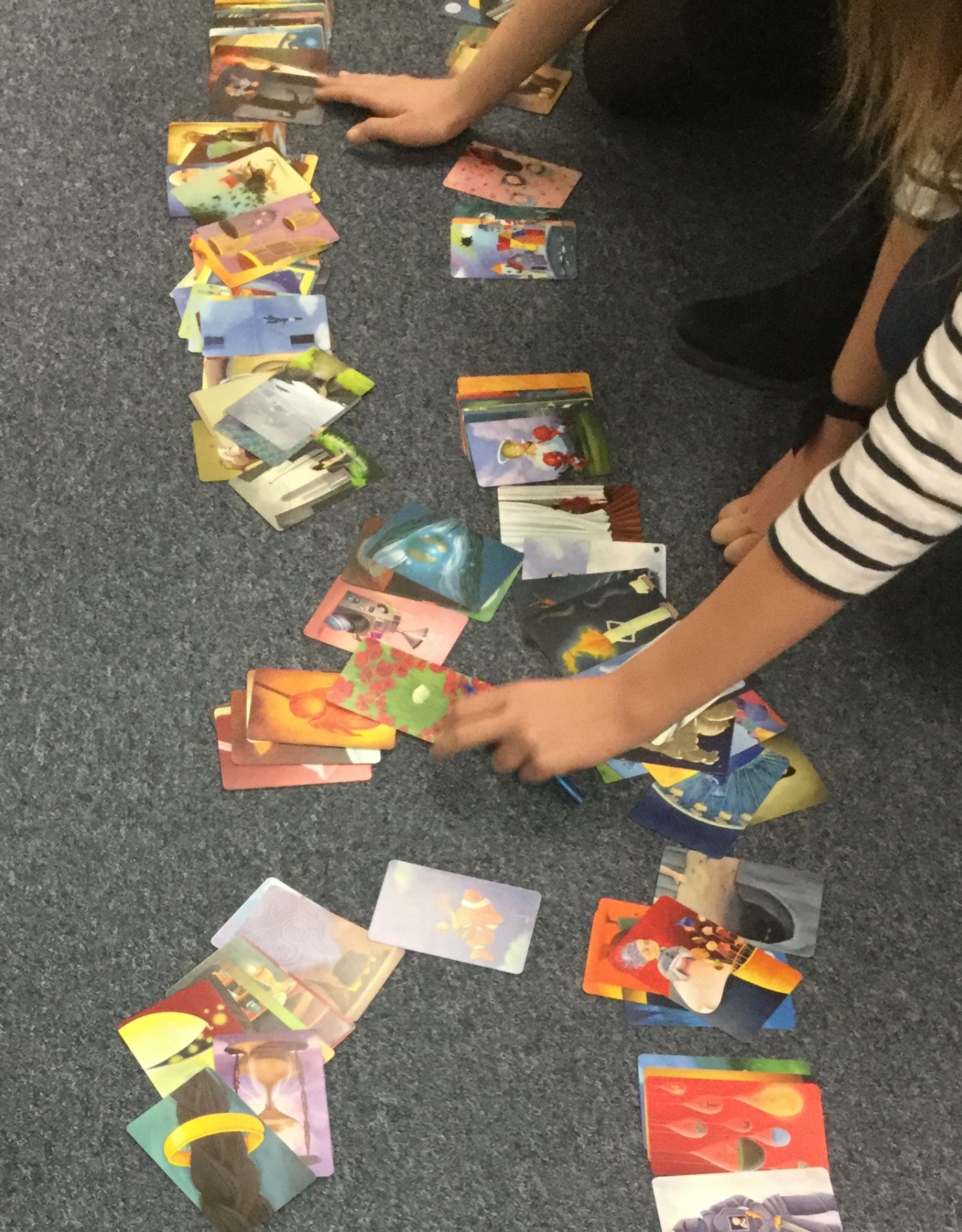
Dixit is a popular storytelling board game that includes eighty colourful and imaginative picture cards. In this post I'm looking at how you can use those cards in some interesting ways. How to play I have often played Dixit with... Continue Reading →
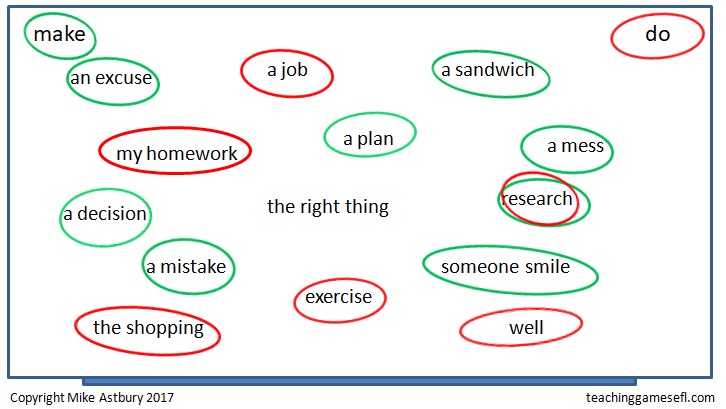
This is a quick lesson, including a couple of games, to practise and revise collocations with 'make' and 'do'. There's very little preparation required and it's highly adaptable for use with other lexis or grammar points. The example below is... Continue Reading →
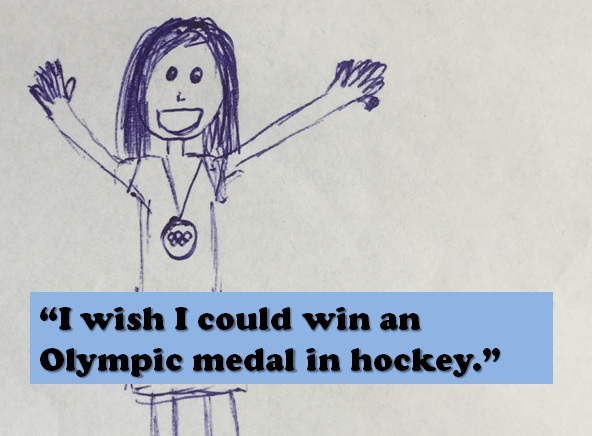
This is an adaptable freer practice activity which I have used when teaching various grammar structures. In this example we're looking at 'I wish...' with the past simple. I have Jane-Maria Harding da Rosa to thank for this activity. She... Continue Reading →
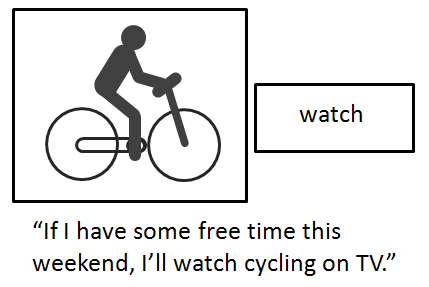
This is a guest post written by Šárka Cox and Peter Nobbs. Here are a number of quick speaking activities that can be used to practice a range of grammatical structures using a single resource, a set of verb phrase... Continue Reading →
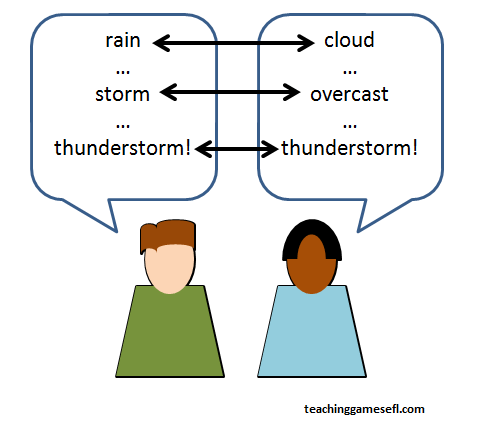
I first saw this video last year, but I was reminded of it at the weekend thanks to Lisko MacMillan who used it as part of her excellent session at the Teacher Training day in Torun. Watch the first minute... Continue Reading →
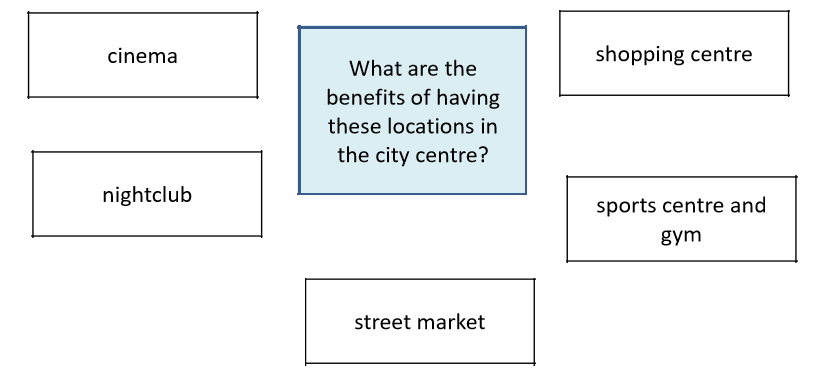
Here's a quick speaking game that encourages collaboration and improvisation. It was designed to help students practise FCE speaking part 3, but would be suitable for general English classes too. The cards you need to play the game can be... Continue Reading →
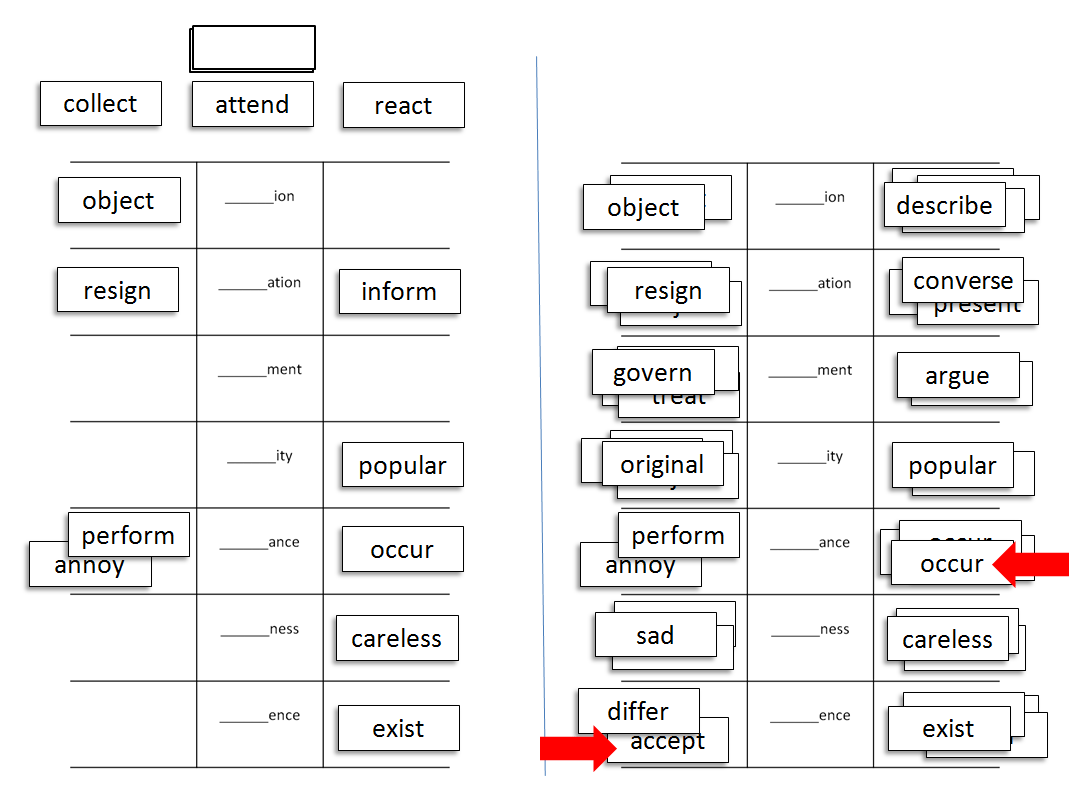
This is a quick and simple game to practise word formation, in this case making nouns from verbs and adjectives using suffixes. This post includes everything you need to play the game and illustrated step by step instructions. This was... Continue Reading →
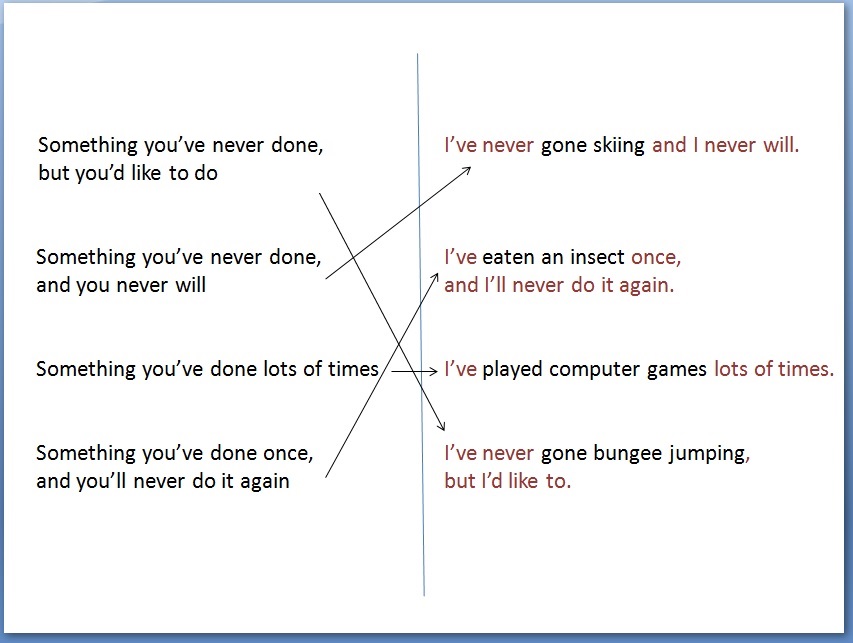
This is a highly adaptable activity that can be used with various language structures and vocabulary. It requires very little preparation and helps students produce the target language in discrete, logical stages. In the example we're looking at the present... Continue Reading →
 TeachingGamesEFL.com - by Mike Astbury